The Minister of Health of the Slovak Republic Kamil Šaško discussed with representatives of health insurance companies, oncology experts including representatives of the National Cancer Institute (NOU), the East Slovakian Cancer Institute (VOE), the Oncology Institute of St. Elizabeth (OÚSA) and patient organisations on the role of prevention and streamlining treatment in oncology. The meeting followed the November meeting of representatives of the department, experts and patients with the president Peter Pellegrini.
The prevention is the most effective way to reduce the number of avoidable deaths. We are taking concrete steps to ensure that prevention plays a greater role in people's daily lives. This will result in lower incidence of diseases, higher quality of life for patients through more effective treatment and ultimately a reduction in health systems and public finances. said Minister Kamil Šaško.
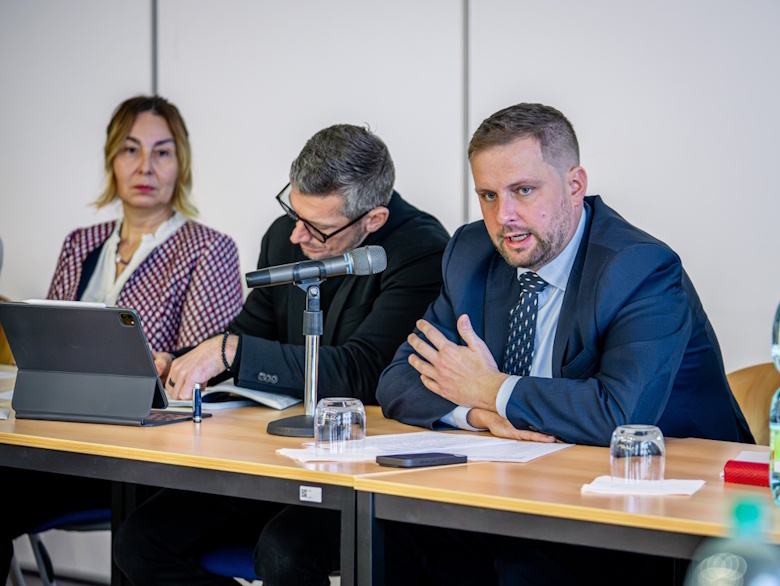
The main subjects of the negotiations were areas which will require intensive cooperation from all concerned in the near future. Oncology disease prevention covers a wide range of activities, ranging from promoting healthy lifestyles and reducing risk factors to systematic early capture programmes. Screening programs are among the most effective tools because they allow cancer to be detected in the early stages and in the seemingly unsympathetic population.
The meeting was an important step in a series of technical negotiations aimed at increasing the effectiveness of preventive programmes, promoting public awareness and contributing to better results in the fight against cancer. In turn, proposals for concrete steps to streamline treatment will help improve the life of cancer patients.
The National Cancer Institute is prepared to link and address oncology expert topics, including cancer prevention, with experts, the Ministry of Health and patient organisations, said Jana Ricová, director of the Institute, which is a platform for research, education and coordination of oncology care in Slovakia.
As experts, we are positive that oncology topics are becoming a priority and we appreciate the cooperation under the current National Cancer Programme, noted the clinical oncologist Dr. Bela Mrinák of the Oncology Institute of St. Elizabeth.
