Institute of Health Analysis (IZA) is an independent analytical unit at the Ministry of Health of the Slovak Republic (MZ SR) under the control of the Minister of Health. It participates in strategic decisions of the Ministry, creating evidence for data-based decisions in health care, overseeing efficiency and quality in health care and contributing to public debate. Examples of areas and topics addressed by IZA are: public health insurance budget, mapping of the use of healthcare in Slovakia, epidemiological analyses and various other analyses in health care.
The outputs do not necessarily reflect the official opinions of the Slovak Republic, but the opinions of authors and authors of IZA. The text quotes should therefore refer to IZA, not MZ SR.
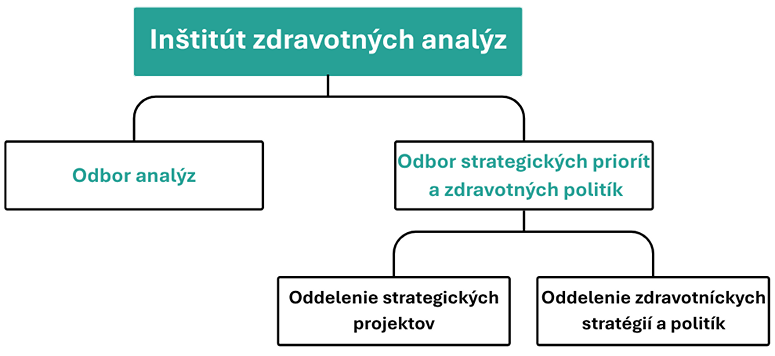
The IZA consists of:
- - Analysis department
- - Section for Strategic Priorities and Health Policies
- Strategic project separation
- Department of health strategies and policies
Organisational structure:
IZA works closely with othersstate analytical unitsand is built byanalytical capacity building methodologies in government administration.
Analysis and analytical comments
Quantification of life excellence loss from air clearance in Slovakia
The analysis (published in English) assesses the impact of air pollution with fine dust particles PM2,5 and benzo (a) pyrene on the life expectancy of Slovak inhabitants at the level of all 2 924 municipalities. It quantifies the loss of life expectancy attributable to air pollution, analyses regional differences in health burden and identifies areas of highest risk. The results show that air pollution is a significant factor affecting life expectancy, with its negative impacts being most pronounced in rural areas with high local solid fuel heating rates. The study provides scientific evidence for targeted measures to improve air quality and protect public health. The analysis was published on Quantification of life excellence loss from air clearance in Slovakia.
Prevalence and reporting of decubits in hospital environments
Decubites arise as a result of the long-term action of pressure and skid forces leading to damage to the skin and deeper tissues. Their incidence is highest, especially in elderly, immobile and polymorbid patients, while the severity of the problem increases population ageing and the growing number of patients dependent on long-term care. The analyses show significant regional differences in the occurrence of decubits, insufficient case reporting and the need for systematic screening and prevention. Current management is based mainly on prevention, pressure relief, quality nursing care and the use of specialised medical devices. Data from Slovakia show an increasing number of patients, visits to home nursing and a significant increase in the cost of treatment of decubits, which underlines the need to strengthen preventive measures, standardization of procedures and better connection of health and social care.
Epidemiology of Dementia and Alzheimer's Disease in Slovakia
The analysis provides a population estimate of the burden of dementia and Alzheimer's disease in Slovakia, focusing on the development of incidence, prevalence, age-sex structure and regional differences. The results show that although age-standardized rates show no clear growth in 2019-2023, the absolute number of patients remains high and will continue to grow as the population ages. In 2023, identified 84,774 patients with dementiaa 48 151 Alzheimer' s disease patients; under unchanged conditions, the number of prevalent cases of dementia can reach almost 2040 156 thousand.
End of Life Attempts
Analysis of end-of-life attempts is an important tool for monitoring the mental health of the population as it captures a wider spectrum of suicidal behaviour than data on completed suicides. Although there has been a long-term decline in suicide mortality in the European Union, this trend has slowed down in recent years and adverse developments have been observed in some population groups. Epidemiological studies following COVID-19 pandemic indicate in particular an increase in suicidal behaviour in adolescent girls and young women, while overall population indicators remain relatively stable. These findings highlight the need for analysis by age, gender and other demographic characteristics. The analysis uses data from the Slovak Health Service Operations Centre for the period 2019-2021, which is the most comprehensive data source available on end-of-life attempts in Slovakia. Contrary to data on hospitalisations or mortality, cases requiring acute medical intervention also capture but do not lead to death or hospitalisation. The analysis therefore provides a more sensitive view of the development of suicidal behaviour and makes it possible to identify populations at increased risk.
Cardiovascular disease in the context of metabolic risk factors
Cardiovascular diseases are the main cause of mortality at both global and European level, with Slovakia being among countries with higher than average cardiovascular mortality. The most serious clinical manifestations, such as myocardial infarction, stroke and chronic heart failure, are based on modifiable risk factors, in particular hypertension, dyslipidaemia, type 2 diabetes and obesity. These factors synergistically support the development of atherosclerosis and acute cardiovascular events. Despite available treatment, insufficient absorption and suboptimal control of risk factors remains, often due to low adherence and suboptimal treatment settings. This results in persistently high cardiovascular mortality due to accumulation of risk factors and poor management.
Cost-effectiveness of genomic testing as a tool to optimise breast cancer treatment
Genomic testing, in particular using Oncotype DX and MammaPrint, is a key tool for precise oncology in deciding on adjuvant chemotherapy in patients with early HR+/HER2− breast cancer. Foreign studies show that its use increases QALY ( Genomic tests are therefore often evaluated as a dominant strategy, mainly due to reduced costs of chemotherapy, its complications and treatment of relapses.
The analysis of the Slovak data confirms the high economic burden of treatment (€9 000 per patient;>EUR 30 million EUR per year). Area-based administration of chemotherapy without risk stratification would lead to overtreatment and cost increases, while genomic testing allows eliminating unnecessary treatment in approximately 40% of patients. Overall, this represents both a clinically and economically more effective strategy.
Analysis of mental disorders at the different stages of psychosocial development
The analysis focuses on the mental health of children and young people from the point of view of psychosocial development from childhood to early adulthood. It is based on the knowledge of epidemiological studies and analysed data showing that a significant proportion of mental disorders begin as early as childhood and adolescence. The results show that the structure of the diagnosed disorders is changing with the age of the child, dominated by behavioural and emotional disorders, while the incidence of anxiety and affective disorders is increasing in adolescence and early adulthood. At the same time, the analysis highlights the impact of family, school and social factors on the mental health of young people and highlights the importance of early identification of problems, available treatment and systematic preventive measures in the field of public health.
Epidemiological analysis of gliomas in Slovakia
This analysis focuses on epidemiology and management of glioma treatment in Slovakia. Gliomas represent a significant group of primary tumours of the central nervous system, which, despite a relatively low incidence, significantly affect both patient quality of life and working ability. Around 400 new cases of brain malignancies (C71) are diagnosed every year in Slovakia. The analysis shows regional differences in incidence, mortality and availability of treatment as well as concentration of neurosurgery in Bratislava and Košice. At the same time, the output highlights the importance of a multidisciplinary approach, systematic collection of clinical data and better coordination of care in order to improve patient prognosis and quality of life.
Cardiac amyloidosis
This analysis focuses on epidemiology, diagnosis and treatment of heart amyloidosis in Slovakia. This is a rare but clinically serious disease caused by the deposit of amyloid into the heart muscle, leading to progressive heart failure and multiple organ involvement. The analysis is based on the NCZI administrative data for the years 2015-2023, and monitors the evolution of incidence, prevalence, regional differences and use of treatment. The results show an increase in the number of cases diagnosed, which is likely to be linked mainly to improved diagnosis and increased awareness of the disease. The analysis also includes an overview of treatment and costs, with findings showing the need for early diagnosis and coordinated multidisciplinary patient care.
Developments in health care delivery between 2017 and 2023
Commentary analyses the development of health care utilization during the Pandemic COVID 19 in Slovakia. Pandemics have had a significant impact on institutional health care, which has been reduced mainly by reprofiling beds and delaying planned performance. Visits to offices decreased, especially in 2020, while the number of physical visits remained below the Pandemic period 2017-2019. Since 2020, providers have had the possibility to report new distance performances, so since their introduction until the end of 2023, telemedicine performance has been around 20% of all outpatient performances. The analysis also indicates that part of the pre-pandemic care provided in constitutional facilities was transferred to overnight healthcare facilities in 2021 and 2022. The commentary recommends that the definition and form of telemedicine performance be clarified and harmonised in the future, as well as the development of standardised diagnostic and therapeutic procedures defining the indications and method of use of telemedicine. It also stresses the need for long-term monitoring and evaluation of its effectiveness.
Mamazonks Breast cancers and pregnancy
In Slovakia the incidence of breast cancer has been increasing for a long time, with an increase of 11 percent since 2000 and a further increase by 2040. The increase in cases in women under 50 years of age is alarming, where the incidence of cancer increased by 79%. In this age group, pregnancy-related cases are also increasing - an analysis in 2014-2022 showed that 116 women gave birth after diagnosis of breast cancer, with a median age of 32 years at diagnosis and a 2.2 years distance between diagnosis and birth. Current evidence confirms that pregnancy after treatment is safe and does not affect the risk of recurrence, although women have 60% fewer pregnancies than the general population after the disease has been over. Despite the availability of Medical Freezing, the use of on-going procedures remains low, pointing to the need for better information and links between cancer and reproductive care. Optimising screening, integrating oncofertility into treatment standards and a multidisciplinary approach to pregnant patients are key steps to improve the survival and quality of life of young women with breast cancer.
Suicide attempts by adolescent girls
Data show that teenage girls are among the most vulnerable groups in terms of suicidal thoughts and attempts, and since 2019 they have seen a systematic increase, especially at the age of 14'16; in 2023, more than 60 trials were recorded in 15-year-olds, almost three times the prepandemic period. The most common form of overdose is drug overdose, with older people getting sharp injuries. Pandemics and economic stressors have weakened protective factors, exacerbated mental well-being and increased the use of crisis services. However, the care system is facing serious deficiencies " lack of psychiatrists, psychologists, psychotherapists, dourine and community centers, regional differences are significant and children are often released without subsequent healing. The current healthcare system focuses mainly on advanced adult diseases, while preventive strategies and early diagnosis in adolescents remain inadequate. However, existing evidence shows that early identification of psychiatric problems and early intervention in adolescence can significantly reduce the risk of chronification, improve forecasting and strengthen the mental health of the population.
Transition gap: Transition of ADHD patients from adolescence to adulthood
The term "transition gap" refers to the critical period of transition of ADHD young people from child to adult healthcare, which is often poorly coordinated and associated with the risk of interruption or deterioration of the patient's health. This gap represents a significant challenge in ADHD management due to the need for long-term, continuous support. Data from the insurer's account held in the NCZ were used for analysis. While 1,039 ADHD patients were identified in 2020, only 138 of them continued treatment in 2024, representing only 13.3%. Many patients who stopped being treated for ADHD were reported to have other psychiatric diagnoses in 2024, most frequently moderate or mild mental retardation with behavioural disturbances as well as depressive and adaptation disorders. These data suggest that insufficient transition of ADHD adolescents to the adult patient system results not only in a decrease in treatment with ADHD alone, but also in a shift of difficulties to other diagnostic categories that may secondaryally impair the patient's quality of life.
Hypertension in Slovakia: Trends and costs
Hypertension, the most common chronic cardiovascular disease, is characterised by persistently elevated blood pressure in the arterial system and affects more than 1.2 billion adults worldwide. Its clinical relevance lies in long-term asymptomaticness, which often leads to late diagnosis and treatment. We distinguish the primary (essential) form without identifiable cause and secondary, related to other diseases. Risk factors include age, genetics, unhealthy lifestyles, stress, as well as associated diseases such as diabetes or chronic kidney disease. Untreated hypertension can lead to serious complications including myocardial infarction, stroke or renal failure. Treatment includes non-pharmacological measures and individualised pharmacotherapy. In Slovakia, the prevalence of hypertension remains high for a long time, with the number of patients between 1.17 and 1.29 million, despite a slight decrease in incidence in recent years. Significant regional differences, in particular a higher incidence in eastern regions than the Prešov region, reflect potential regional differences and inequalities in socio-economic conditions and access to healthcare. As age increases, the incidence of hypertension is also increasing, and the economic burden can reach as much as € 9 276 per year for a patient aged 765/0685. These data show the need to strengthen prevention, early diagnosis and systematic management of the disease.
Epidemiological and management of wounds and ulcers of lower limbs in Slovakia
Chronic venous disease in Slovakia
Lower limb ulcers are chronic skin and subcutaneous tissue defects that arise as a result of the imbalance between perfusion, nervous supply and regenerative mechanisms. Around 2.21 people per 1000 inhabitants worldwide suffer. In terms of aetiology, four main types are distinguished: venous, diabetic, arterial and decubital ulcers. Venous ulcers that arise from chronic venous insufficiency are the most common type and account for about 80 to 85% of all chronic leg ulcers. Diabetic ulcers combine the effects of peripheral neuropathy, ischaemia and weakened immunity and occur in a significant percentage of diabetics, with a high rate of relapse. Arterial ulcers are a consequence of advanced peripheral arterial disease and lead to tissue hypoxia, while decubit ulcers arise due to long-term pressure on soft tissues. Despite different aetiology, all types of ulcers have a common tendency to chronic course and complications. The incidence of chronic leg ulcers is expected to increase significantly over the coming decades due to demographic changes, including population ageing and the rise in obesity and diabetes mellitus. Due to the marked ageing of the population in Slovakia, this trend is also expected to have serious economic consequences.
Epidemiological analysis and management of multiple sclerosis in Slovakia
Multiple sclerosis (SM) is an autoimmune disease of the central nervous system that mainly affects young adults, which can lead to significant physical, cognitive and emotional impairment affecting the quality of life of patients. The main symptoms include visual impairment, movement disorders, balance problems, sensitivity, urination and sexual function, as well as psychiatric problems such as depression and anxiety. Analysis of epidemiological data showed that around 9,309 MS patients lived in Slovakia by the end of 2022. Early diagnosis and proper treatment adjustment are crucial for patients, with a large proportion of patients receiving "highly effective treatment' (HET), which in 2023 was administered to 41% of new patients. The cost of healthcare for MS patients is significant in 2023, at around €7 200 per patient, six times the average cost for the general population. The high costs are mainly for medicines, where the difference between MS patients and the general population is up to 16 times. Moreover, MS has significant social and economic impacts as it reduces the employability of patients, leading to productivity loss and early retirement. In view of these challenges, it is necessary to improve the availability and quality of care by creating specialised centres to cover regional disparities and provide multidisciplinary care. It is also important to focus on early diagnosis, training of health professionals and systematic data collection to optimise treatment and management of MS.
Autistic spectrum disorders in Slovakia
Autistic spectrum disorder (PAS) is a neurodevelopmental disease manifested in early childhood that affects social interaction, communication and behaviour. This is a spectral disorder with varying severity of symptoms and its exact causes are unclear, but research suggests that genetic and environmental factors play a significant role. The diagnosis of PAS requires a multidisciplinary approach involving clinical evaluation and specific tests such as ADOS-2 and ADI-R. Although PAS is not curable, early intervention and treatment can improve functional independence and quality of life. PAS prevalence increases as a result of better diagnosis. One in 100 children is estimated to be affected by PAS, with boys being diagnosed more frequently than girls. In Slovakia, there is a lack of systematic data on the prevalence of PAS, making it difficult to plan healthcare and support effectively for those with this diagnosis. To clarify these estimates, patients with PAS in Slovakia were identified using the insured person's data on reimbursed health care from NCZI data. According to these data, 19 686 patients with PAS were identified in 2023, with the highest incidence recorded in Košice, Prešov and Bratislava regions. These epidemiological data provide an important basis for further research and more effective intervention strategies.
Diabetes Mellitus in Slovakia
Diabetes mellitus is a chronic disease that causes serious cardiovascular, renal, ophthalmologic and neurological complications, with the incidence of diabetes occurring globally. This analysis uses data on Slovak patients from the years 2015 and shows the epidemiological situation (incidence, prewave, regional differences), complications and comorbidities, and the cost of diabetes treatment. The analysis highlights the need for early detection and complex disease management according to standard therapeutic procedures, which can reduce complications and health costs. Interdisciplinary cooperation and targeted prevention strategies are key to effective control of this disease, which remains a key challenge for public health.
More money and stability for health is an investment(Comment in .pdf)
Data attachment to the document More money and stability for health is an investment(Data Annex in .xlsx)
The public health insurance budget for the years 2024 to 2026 increases health resources. Total public health expenditure will reach around €8 billion in 2024, the second largest item in public finances. A significant part of this increase is linked to specific measures and is directed directly to certain areas of healthcare, in particular hospitals.
Commentary More money and stability for health is an investment deals with the process of creating the budget of public health insurance, defines the basic variables, describes the planned measures also aimed at improving the efficiency and functioning of state hospitals. The material also describes the programme decree in more detail (No.55/2024) Z.z.), which defines the minimum cost for each type of healthcare.
Cardiovascular disease and vaccination against COVID-19
A number of undesirable effects have been associated with COVID-19 vaccination, including an increased risk of various cardiovascular diseases. The aim of this analysis is to bring an insight into this issue based on Slovak data. Detailed data on vaccination and diagnosis of cardiovascular disease can accurately estimate this risk through multidimensional analysis for survival. The results suggest that COVID vaccination was not accompanied by an increased risk of subsequent diagnosis of cardiovascular disease. Conversely, the disease itself on COVID increases this risk.
Breast malignancies in SlovakiaEpidemiological analysis and recommendations for systemic measures
This analysis of breast cancers focuses on examining current epidemiological trends and regional differences in this disease in Slovakia, identifying an increased incidence in western Slovakia and a growing trend among younger age groups of women. It serves to assess regional participation in mammographic screening and reveals large regional differences in patient survival and genetic diagnosis. In the second part of the analysis, we addressed recommendations for improving screening, diagnosis and treatment in order to reduce mortality and improve patient survival.
Analysis of the impact of optimisation of the hospital network(Study in .pdf)
The optimisation of the hospital network is a comprehensive reform aimed at ensuring accessible, quality and safe healthcare in hospitals to all hospitalised patients. Optimising the hospital network will affect not only hospitals and patients, but also the functioning of other parts of the system, health insurance companies, public health insurance and public finances themselves. Certain impacts are also foreseen on the health and safety services. The material represents a quantitative and qualitative analysis of the impacts and impacts of the reform across the healthcare system.
- Analysis of the implications of hospital network optimisation - summary(English summary in .pdf)
- Impact analysis of hospital network optimisation - data annex(Data Annex in .xlsx)
- Alzheimer' s disease(Study in .pdf)
Informative gross basic wage components in the Constitutional Health Institutions for 2024 (14.12.2023)
Calculator for informative gross basic wage components in Institute of Health for 2024 (14.12.2023)
Redistribution mechanism of health insurance in Slovakia (15.11.2023)
Healthcare service provided by departures from Ukraine (15.08.2023)
Long-term returns to local health care spending (31.10.022)
Selective reference or learning by doing? An analysis of hospital volume-outcome relationship of vascular procedures (5.10.022)
Presence and representation of SARS-CoV-2 variant B117 in Slovakia using differential PCR diagnostics (9.2.2021)
Commentary on basic statistics on hospitalisations in patients with Covid19 in Slovakia (22.2.2021)
Methodology
Methodology for measuring health inequalities and the use of healthcare services between MRC and the general population
This methodology was based on the request of the Task Force on the Health Action Plan on the Strategy for equality, inclusion and participation of Roma by 2030. The methodology serves as a guide for the production of regular reports on the differences in healthcare uptake and the incidence of disease groups between marginalised Roma communities (CRCs) and the general population.
Vaccinations
Anti-HPV vaccination in Slovakia (16.02.2023)
Vaccination HPV dataset 2211 (16.02.2023)
HPV vaccination cover of children in Slovakia (16.02.2023)
Revisions of expenditure
The revision of expenditure is a standard instrument in OECD countries to achieve public policy objectives more effectively. It helps governments to find room for better use of public funds and to set the priorities of the resort. The expenditure review evaluates the effectiveness and efficiency of expenditure and identifies measures that add value to money from public finances, thus allowing fiscal savings, better public services for citizens (results) and/or a shift of finance to government priorities.
Update Reviews of Health Expenditure III (2022) - Analysis
Update Reviews of health expenditure III (2022)
Revision of health expenditure II (2019) - Analysis
Reviews of health expenditure II (2019)
Review of health expenditure I (2016) - Analysis
Reviews of health expenditure I (2016) - Data Annex
Data interfaces for the insurance redistribution mechanism
In accordance with Decree No 51/2023 of the Ministry of Health of the Slovak Republic For the purposes of this Regulation, the following definitions apply:
Annex 1: Consumption of categorised medicinal productsAnnex 2: Health care costs of the health insurance undertakingAnnex 3: Insurance policyholdersAnnex 4: policyholdersAnnex 5: Hospitalisation of policyholdersAnnex 6: Disadvantaged insuredAnnex 7: Persons insured with medical devicesAnnex 8: CRP policyholdersAnnex 9: Types of insurance payers in the CRP
Career
Institute of Health Analysis - Work offer
Contact
You can also follow our work on ourBlogor using social networks such asFacebook,LinkedinorTwitter.
General contact
e-mail:iza@health.gov.sk
Director of IZA
Mr. Boris Sloboda, PhD.
e-mail:**********************