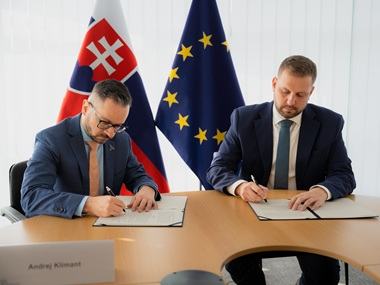
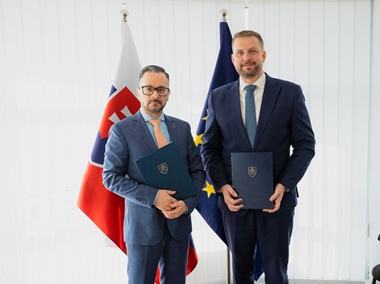
The Ministry of Health of the Slovak Republic signed today a memorandum of cooperation with the Alliance of Sectoral Councils. The partnership aims to promote the development of human resources in the health sector, strengthen coordination in the field of further training of workers and align the system of qualifications with the needs of the labour market.
This is an important step towards making people who work better in the health sector ready for the real needs of practice - today and in the future. Our common objective is that healthcare professionals have the right skills, sufficient support and sufficient support where people need them most. This cooperation will help us to better share information, plan capacity and strengthen the quality of care for citizens.
I see this as another important step towards preparing for the challenges ahead. If we want to have enough qualified people in practice, we need to systematically link education with real needs in the field. This cooperation will enable us to work better with data, to plan capacities and to set up qualification frameworks. Our ambition is to create conditions so that young people can see their future in Slovakia and that patients feel better quality and availability of healthcare provision, said Minister of Health Kamil Šaško.
"Working with the health sector is crucial for us both. For the Alliance we can provide important recommendations and accurate data from our model and based on them the Ministry can not only adapt its department but also provide more effective health care for employees of all sectors," said General Director of the Alliance of Sectoral Councils, Andrei Klimant.
The signing of the Memorandum is a further step towards the systematic strengthening of the quality and accessibility of healthcare by promoting education, innovation and effective planning of the needs of health personnel in Slovakia. The common objective is to respond to the current and future challenges of the labour market as well as to developments and innovation trends in the 21st century.