
INTRODUCTION
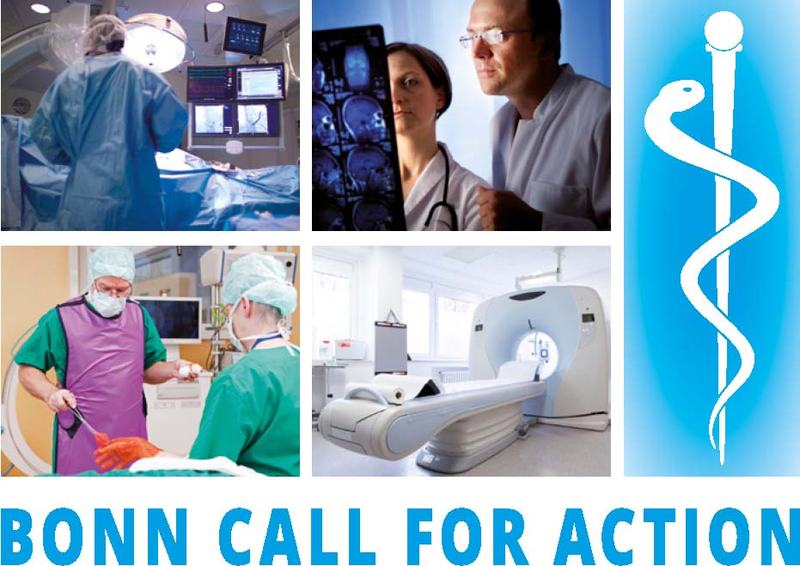
In 2012, the International Conference on Radiation Protection in Medicine was organised by the International Atomic Energy Agency in cooperation with the World Health Organisation. in Bonn, which aimed to identify and prepare solutions to problems arising in the field of radiation protection in medical exposure. The outcome of a conference with 580 participants from 77 countries was the identification of responsibilities and the design of radiation protection priorities for the next decade. A joint programme was adopted for action on the basis of the Joint Programme "BONN CALL FOR ACTION'. The programme sets out ten main measures and related sub-functions to be the basis for strengthening medical radiation protection in the near future.
Objectives of the "BONN CALL FOR ACTION' programme:
- strengthen patient radiation protection and workers' health;
- achieving the required benefit at the least risk for patients, making safe and appropriate use of radiation sources in medical exposure;
- promote the inclusion of radiation protection in the healthcare system;
- to help improve dialogue on benefits and risks of exposure to patients and the public;
- improve the safety and quality of radiological procedures in medicine.


EMPHASIZING THE SIGNIFICANT PRINCIPLE OF GROUNDS
Develop evidence-based harmonised criteria to strengthen the adequacy of clinical imaging, including nuclear medicine diagnosis and non-ionising radiation, and involve all stakeholders in this development;
Implement recommendations for clinical imaging methods taking into account regional differences, ensuring regular update, availability and sustainability of these guidelines;
Strengthen the conduct of the clinical audit in relation to the justification so that the justification becomes effective, transparent and forms part of normal radiological practice;
Introduce IT solutions such as decision support tools in clinical imaging and ensure that they are available and freely accessible at every point of care.

SUBCOMMITTED USE OF THE OPTIMISSION PRINCIPLE
Underscore the need to develop and regularly update diagnostic reference levels for radiological procedures, including intervention procedures, in particular for children;
Strengthen the development of quality assurance programmes for medical exposure as part of the application of complex quality management systems by regular quality audits;
Introduce harmonised criteria for the release of patients after treatment with radionuclides and further develop them as needed;
Apply technological solutions for patient exposure records, harmonise patient dose archiving formats from imaging equipment and increase the use of eHealth records.

BENEFITS ALWAYS HIGHER THAN RISK

ENHANCE THE LEADING ACTIVITIES FOR THE DEVELOPMENT OF THE PROTECTION REGIME
Support the development of technical solutions to reduce radiation burden on patients and healthcare professionals, while maintaining a clinical outcome;
Increase support to provide training for users of individual specific health establishments, taking into account radiation protection;
Strengthen compliance with relevant standards for installations with regard to performance, safety and radiation parameters;
Strengthen cooperation and communication between manufacturers and other stakeholders such as health professionals and professional companies.

ENHANCE RADIATION AND PROFESSIONAL EDUCATION
Overall, to strengthen the education of radiation protection and the training of health professionals with a focus on users of ionising radiation sources in medical exposures in all medical and dental fields;
Further develop the use of new learning platforms such as special online learning applications to enable more target groups to train;
Integrate radiation protection in the curriculum of medical and dental faculties, ensure the creation of basic competences in these areas.
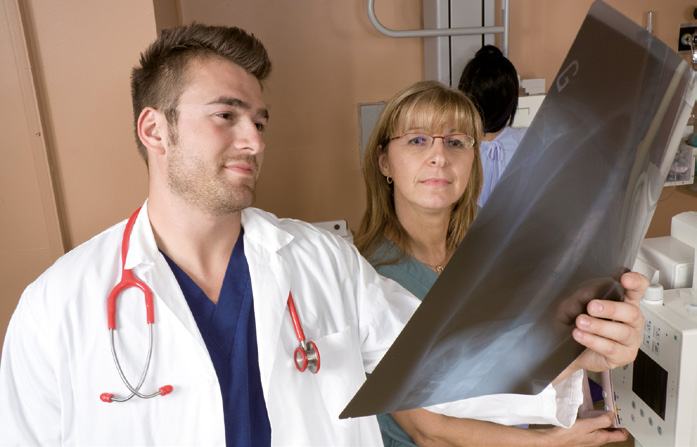

CREATE AND SUPPORT THE STRATEGIC RESEARCH AGENDA
FOR RADIATION PROTECTION IN MEDICIN
Strengthen research on health effects and risks from low doses in external and internal exposures, in particular in children and pregnant women, in order to reduce uncertainties in low dose risk estimates;
Explore the incidence and mechanisms for individual differences in radiosensitivity and hyper-sensitivity to ionising radiation, their potential impact on the radiation protection system and practice;
Explore identification options for biological markers specific to ionising radiation;
Move research in specialised areas of radiation effects such as the nature of deterministic effects on health, cardiovascular effects, and treatment of people with increased radiation exposure following a radiation accident;
Support research to improve the procedures for the assessment of doses of individual organs, including patient dosimetry in the use of open radioactive sources as well as small volumes of external exposure.

IMPROVING AVAILABILITY OF THE MOST NEW GLOBAL INFORMATION ON MEDICAL RADIATION AND PROFESSIONAL EXPPOSITIONS
- Improve the collection of data, benefits and trends in medical exposure overall, and especially from low- and middle-income countries, by promoting international cooperation;
- Improve the collection of data on occupational exposures in medicine with a focus on appropriate radiation protection measures;
- Check compliance with quality control programmes and use the possibility of analysing trends in the number of examinations and the size of radiation loads for different radiological procedures.
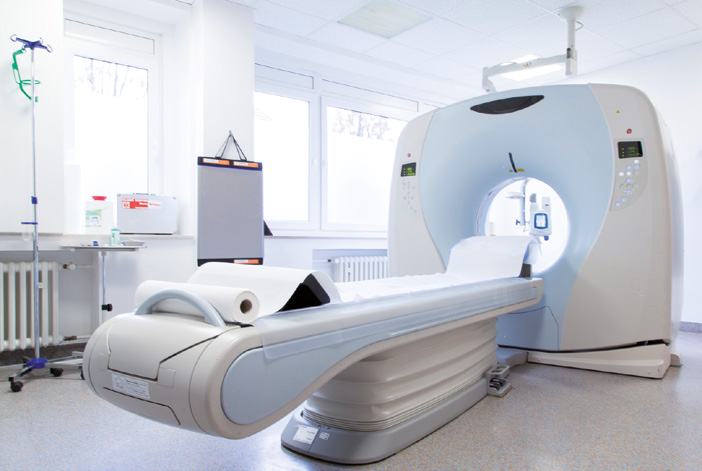

TO COMPLETE THE PREVENTION OF RADIO HOSTS AND HAIRS IN HEALTH
- Establish and support voluntary learning systems based on experience gained from incidents related to the medical use of ionising radiation;
- Pursue harmonisation of practices in case of radiation accidents, with emphasis on brachytherapia, interventional radiology, nuclear medicine and treatment of external radiation beams in radiation oncology;
- Introduce prospective risk analysis methods to improve safety in clinical practice.
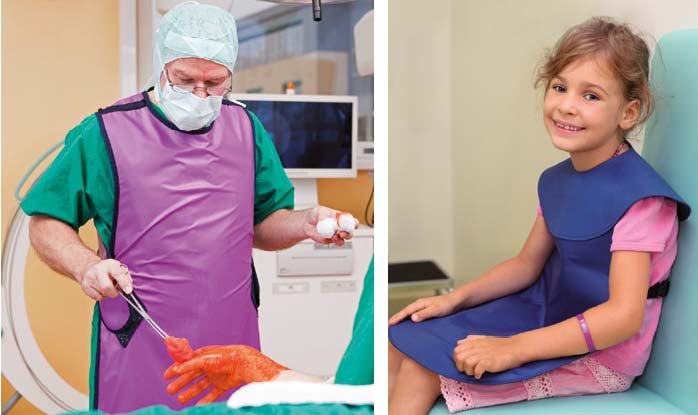

ENHANCE THE Safety CULTURE OF HEALTHCARE RADIATION
Set patient safety as a strategic priority in medical exposure and recognise this priority as a key element in strengthening the safety culture;
Encourage closer cooperation between supervisory authorities for radiation protection, health authorities and professional companies;
Support closer cooperation in the field of radiation protection, in the various areas of medical use of ionising radiation as well as between different areas of radiation protection, including professional societies and patient associations;
To learn and implement best radiation protection practices from other areas, such as nuclear energy and industrial use of ionising radiation;
Pursue recognition of medical physics as an independent health profession with responsibility for radiation protection;
Increase the exchange of information on radiation protection and other safety issues at work with ionising radiation sources, using progress in information technologies.

SUPPORT IMPROVING DIALOGUE ON BENEFITS AND RISKS OF IONISING RADIATION
Increase awareness of the benefits and risks of ionising radiation among health professionals, patients and the public;
Support the improvement of communication skills on the risk of health care providers and radiation protection professionals, including technical experts and communication specialists, work with patient associations, align information reporting procedures for individual target groups.


ENHANCE THE IMPLEMENTATION OF SECURITY STANDARDS
Develop practical advice for the implementation of International Standards for Health Security (BSS);
Further establish a sufficient legal and administrative framework for the protection of patients, employees and the public at national level, including the enforcement of radiation protection requirements, the education and training of health professionals and the implementation of on-the-spot checks to identify shortcomings.
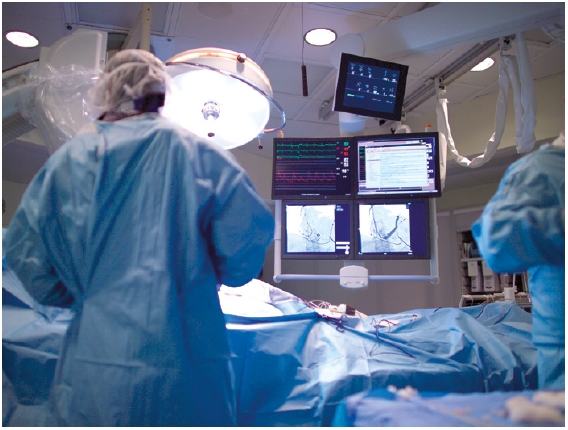
CONCLUSION
The protection of health against the effects of ionising radiation is a multidisciplinary science that deals with the assessment of the impact of ionising radiation on the human body, proposing and evaluating concrete measures to ensure effective protection of the health of the population. At the same time, it controls and regulates the conditions for the treatment of ionising radiation sources. The most important artificial source of exposure to the population is radiation sources used in health care. This includes various X-ray devices used in diagnostic radiology, radioactive substances used for diagnosis and therapy in nuclear medicine, and irradiation equipment used for external therapy in radiation oncology. In line with the global trend, the focus of radiation protection is on limiting the exposure of the population from artificial sources of ionising radiation, focusing on reducing the professional exposures of workers with radiation sources in the health sector, and reducing the radiation doses of patients undergoing medical examinations and treatment with ionising radiation.
The leaflet presented shows the fundamental potential for the application of the latest knowledge in radiation protection, to reduce the radiation burden on health professionals and patients, without losing diagnostic information and the benefit of medical examination, which must always exceed the potential risk from exposure.
On the recommendation of the World Health Organisation and the International Atomic Energy Agency, this leaflet is based in all countries of the world in order to increase the interest of health professionals in the consistent application of the latest radiation protection knowledge in optimising working practices, the use of personal protective equipment, compliance with radiological standards and diagnostic reference levels.
Commission of the Ministry of Health of the Slovak Republic
for quality assurance in radiodiagnostics, radiation oncology
and nuclear medicine
Limba 2
P. O. BOX 52
837 52 Bratislava 37
www.health.gov.sk